On-site Interference by Guests on private commercial properties
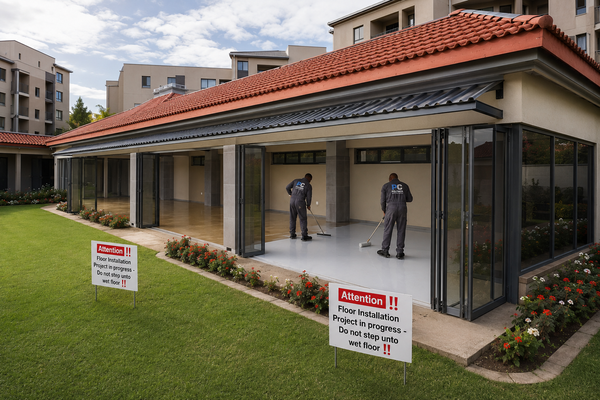
The Grey Zone of Private Commercial Sites: Who Foots the Bill for Guest Interference?
As project managers overseeing premium flooring installations, we often navigate a frustrating grey zone: the private commercial property.
Take a commercial hospitality lodge, for example. It isn’t a public street, yet it is full of moving people—specifically, the property owner’s paying guests.
We’ve all experienced it. The warning signs are clear. The boundary tape is up. The contracting team is carefully laying down a high-performance Hybrid Epoxy Solvent-free coating system. Then, an oblivious or entitled guest bypasses the barrier and walks right onto the wet floor or uncured surface.
During application or the critical 7-day chemical curing window, a single footprint destroys a massive engineering investment, ruins the bond of the primer coating, and forces extensive rework.
This raises a vital industry question: When a PM has limited control over a property owner's paying guests, shouldn’t the lodge owner step up and take accountability?
⚖️ The Project Manager's Dilemma: PM Controls vs. Client Control
A Project Manager’s authority has a strict boundary: we manage the construction site, but we do not control the client's paying guests.
The lodge owner wants to keep operations running and keep guests happy. However, they cannot delegate the physical protection of an active, curing job site entirely to the PM and contractor while refusing to manage their own clientele.
If a lodge owner expects a flawless, premium floor installation, they must accept that crowd control is a shared operational risk. They hold the ultimate authority over their guests, and they must bear the responsibility if they fail to police them.
Relying on "good faith" or barrier tape or even "warning signage" does not work on high-traffic commercial hospitality sites.
By building shared accountability directly into the initial work contracts, we protect our contractors' hard work, preserve project budgets, and ensure that property owners share accountability of site compliance.
How do you handle contract boundaries?


